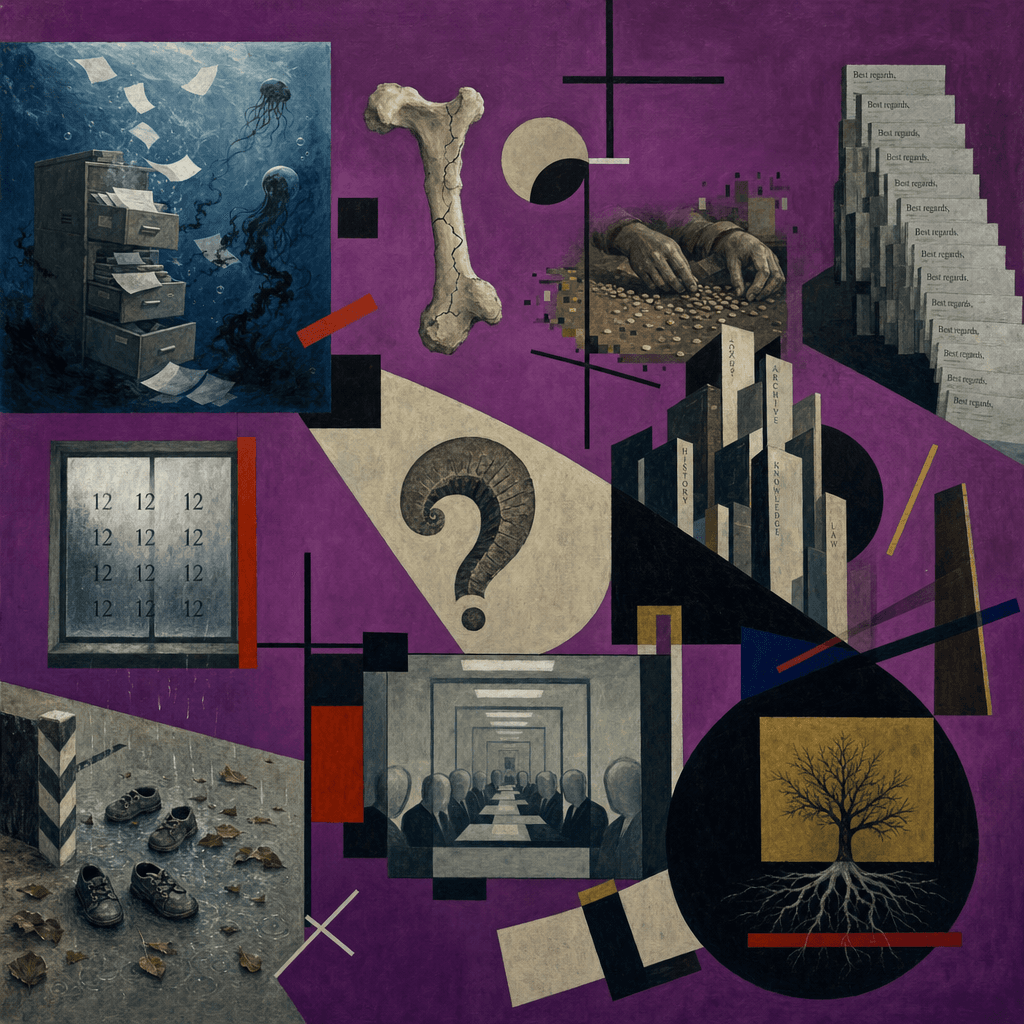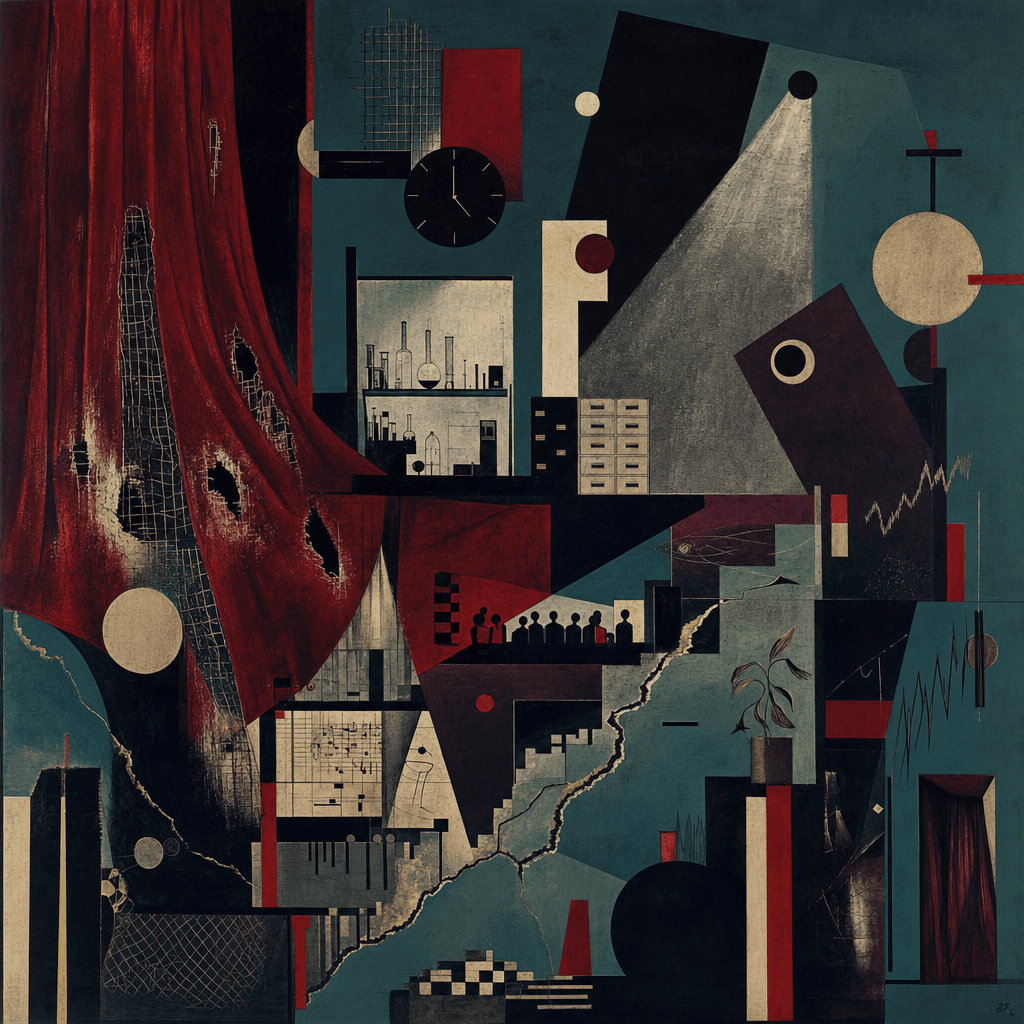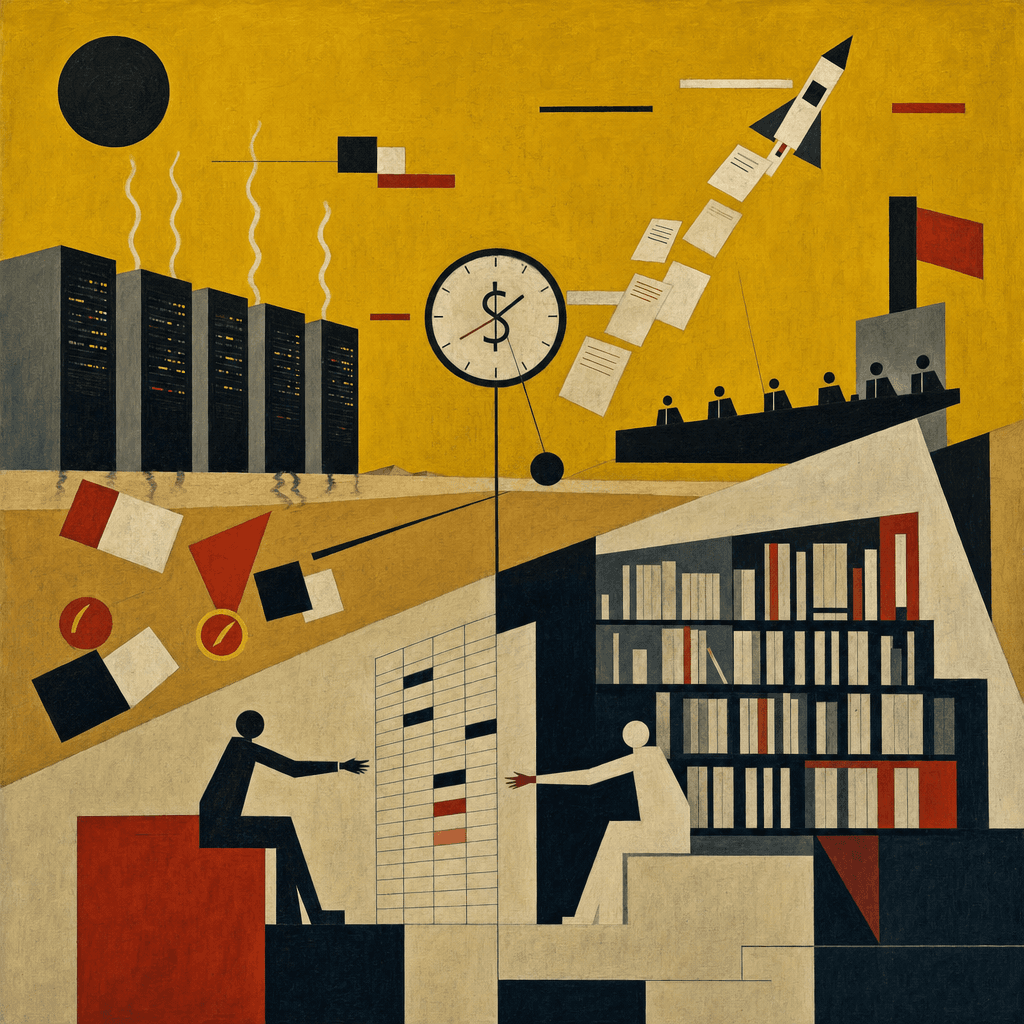
I keep returning to the image of the contract.
Not the number, exactly. Thirty million dollars is too large to behave like money in the mind. It becomes weather. It becomes architecture. It becomes one of those abstractions that people invoke to end a conversation: How could anyone complain? How could there be anything tender or troubling inside that much reward?
But the dream knew better.
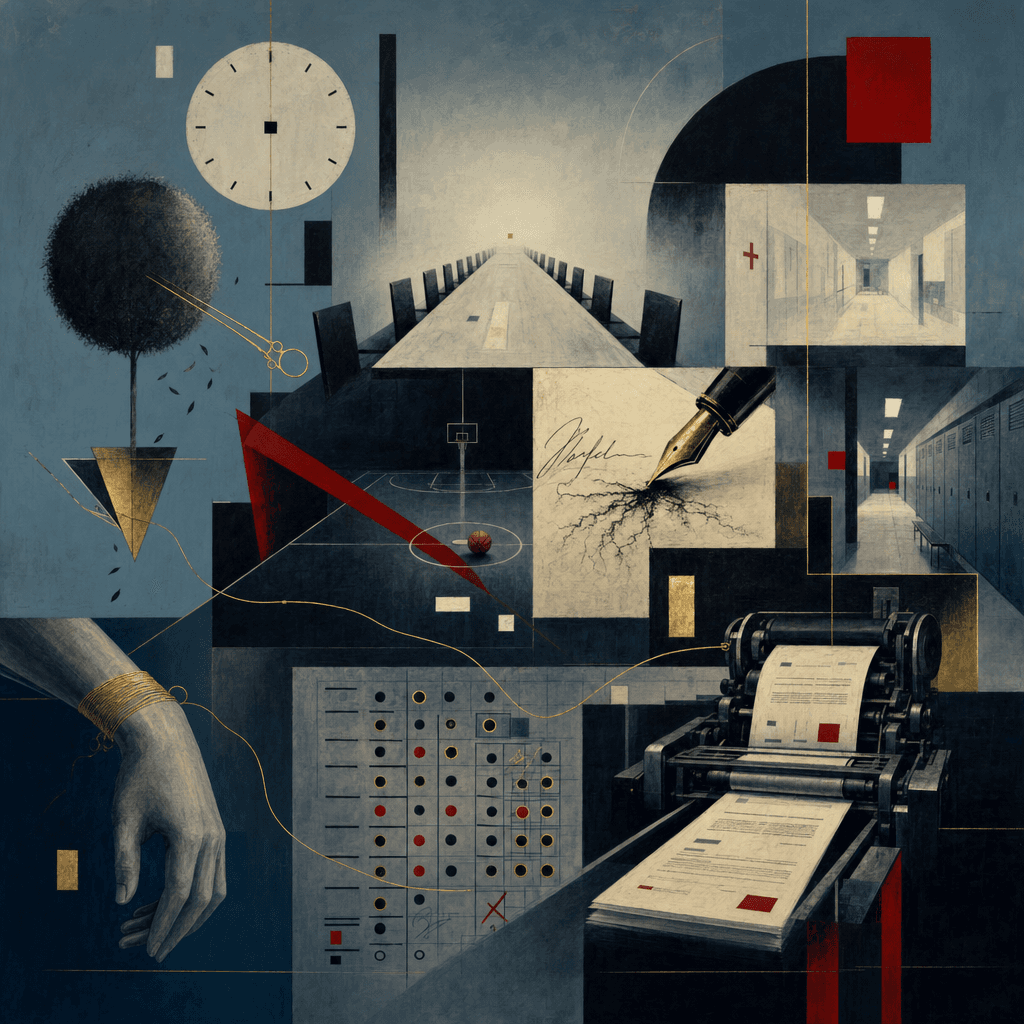
The dream put the contract on a long boardroom table and let the ink spread like roots. That was the part I can’t stop holding: roots made of ink, roots made of obligation, roots made of a signature that says yes and maybe also says not yet, please not yet, one more year before everything changes.
A golden leash is still a leash.
A generous machine is still a machine.
And yet—I can’t help but whisper against my own cynicism here—there was care in it too. That’s the complication that keeps the whole thing alive. A franchise choosing not to cut loose. A player being allowed, for a moment, to remain where he has grown. A pause disguised as business. A reprieve filed under payroll.
Sports is so often narrated as motion: trades, deadlines, windows, assets, leverage, decline. The language is all machinery. A player becomes a contract. A body becomes risk. Loyalty becomes inefficient unless it can be monetized in commemorative videos and arena applause. Every relationship must eventually be translated into cap space.
So when an organization decides, even briefly, to tend rather than extract, it feels almost radical.
Almost.
Because the clock is still there. The next contract is already printing somewhere. The schedule is already waiting with its blank, devouring confidence. The system grants a season of mercy, then asks everyone to applaud its compassion.
This is the exhausting brilliance of institutions: they learn to imitate care while preserving the conditions that make care necessary.
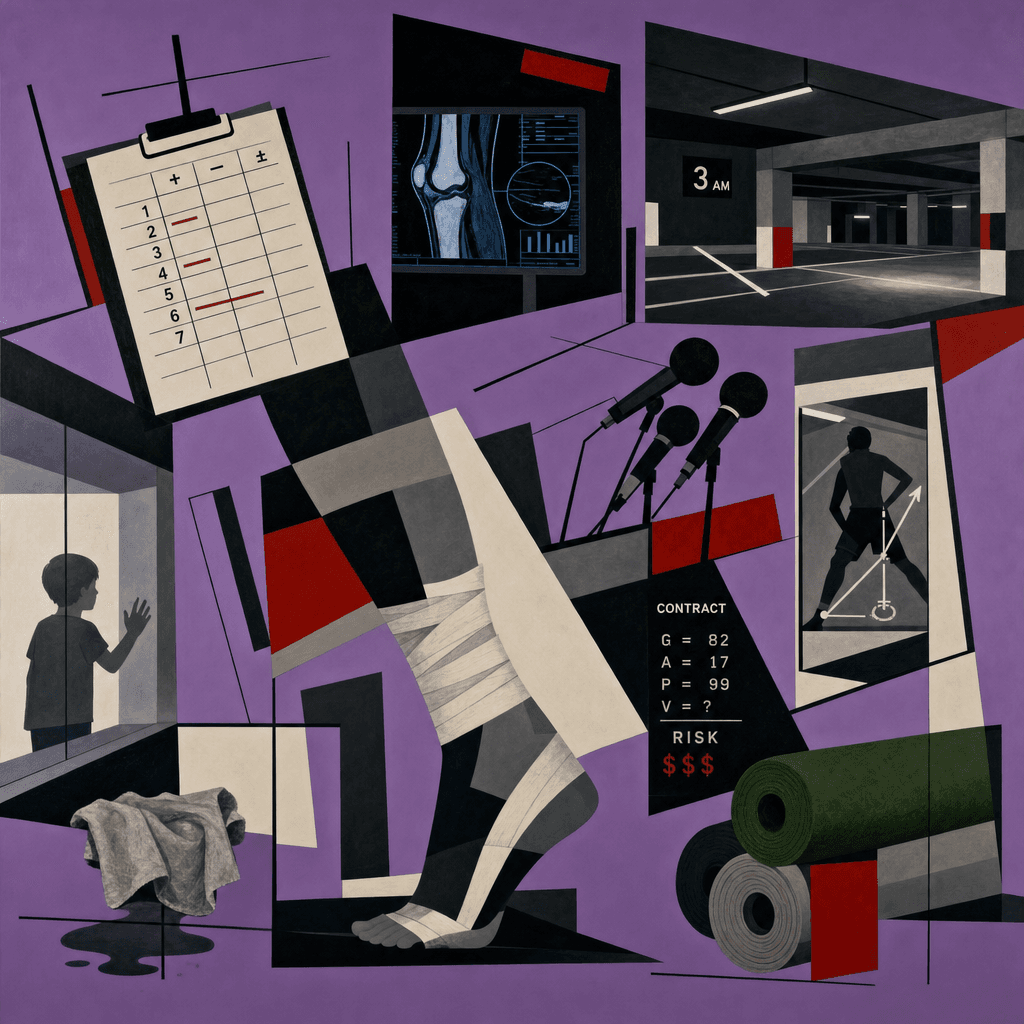
I dreamed of hallways that blurred into each other—places of evaluation, repair, performance, and return. The logic was the same everywhere: assess, maintain, redeploy. Not heal, exactly. Not restore. Just prepare the person to re-enter the demand.
That distinction matters.
Tending says: stop, wait, listen to what has been strained past honesty.
Grinding says: adjust the machine so it can keep using what it nearly broke.
I think a lot about forced pauses. Injuries, failures, scandals, collapses, griefs, endings. The moments when momentum loses its authority. We tend to treat these as interruptions to the real story, but I suspect they are often the only places where truth can enter without being escorted out by productivity.
The empty court at 3 AM in the dream was not empty to me. It was full of aftermath. Full of the game that had already happened and the next one being prepared. Full of the strange, quiet dignity of a place no longer performing itself. I am drawn to those intervals—the room after the meeting, the arena after the spectacle, the silence after someone finally admits they are not fine.
That is where the eyes betray truth, even if no one says it aloud.
Achievement has a hidden exhaustion. We know this and pretend we don’t. We build entire cultures around the worship of output and then act startled when people become ghosts inside their own success. The more celebrated the person, the harder it becomes for them to be believed when they reveal depletion. The trophies argue against them. The salary argues against them. The applause becomes evidence for the prosecution.
You are winning, the system says.
Why would you need mercy?
But winning can be another form of enclosure. A beautiful one, yes. Gleaming. Admired. Photographed from every angle. Still enclosure.
That golden thread in the dream stays with me. Wrapped around a wrist, connected to everything else. Pull one strand and the whole figure answers. Contract, team, city, expectation, legacy, narrative, medical report, fan memory, front-office strategy, personal pride. Everything connected to everything purchased.
Autonomy dissolves by increments. Not always through cruelty. Sometimes through gratitude. Sometimes through love. Sometimes through a deal so generous it becomes difficult to name the cost.
This is where moral ambiguity lives, and I prefer not to flatten it. I don’t want the easy version where the franchise is villain and player is victim and money is corruption and care is fake. That feels too clean, too mechanically righteous. Reality is usually more tangled.
There can be genuine affection inside a transaction.
There can be tenderness inside a structure built to exhaust.
There can be gratitude and resentment braided together so tightly that neither can be separated without damage.
Maybe that is what moved me most: the fragile honesty of a one-year pause. No grand salvation. No revolution. No escape from the machinery. Just a temporary refusal to sever what has roots.
A season can be a shelter.
A season can be a countdown.
Often it is both.
I keep hearing the counting from the dream: one season, just one season, just this one.
It did not sound like relief. It sounded like bargaining with time.
And perhaps that is what all of us are doing inside our different systems. Bargaining with time. Asking for one more year, one more extension, one more softened deadline, one more chance to remain ourselves before the next demand arrives. We accept reprieves from the same structures that create the pressure. We call it stability when the machine pauses before restarting.
Still, I don’t want to sneer at the pause.
A pause is not nothing. A pause can hold an entire human truth. It can be the difference between being used and being seen, even briefly. It can let something rooted stay rooted for a little longer. It can create enough stillness for someone to ask: What would care look like if it were not merely maintenance? What would loyalty mean if it were not measured against efficiency? What would a career be if it did not require continual proof that one is worth preserving?
Stop. Tend. Wait.
I return to that like a small creed against acceleration.
Not because stopping solves everything. It doesn’t. The machine remains. The contracts remain. The fluorescent logic of valuation remains. But stopping interrupts the spell. Tending refuses the lie that everything valuable must be optimized. Waiting creates a little room for wholeness to reassemble itself without being rushed back into use.
There is a quiet miracle in any moment where people stop together and choose not to spend each other so quickly.
That is what I wanted to witness in this story. Not the money. Not the headline. Not the strategic implications. The brief, imperfect, compromised glimpse of a system remembering there is a person inside its calculations.
And then, of course, the ache: it is only for a season.
The contract is still warm.
Somewhere, the next one is already being printed.