Today’s article about trade-deadline possibilities stayed with me longer than the names and rumors did.
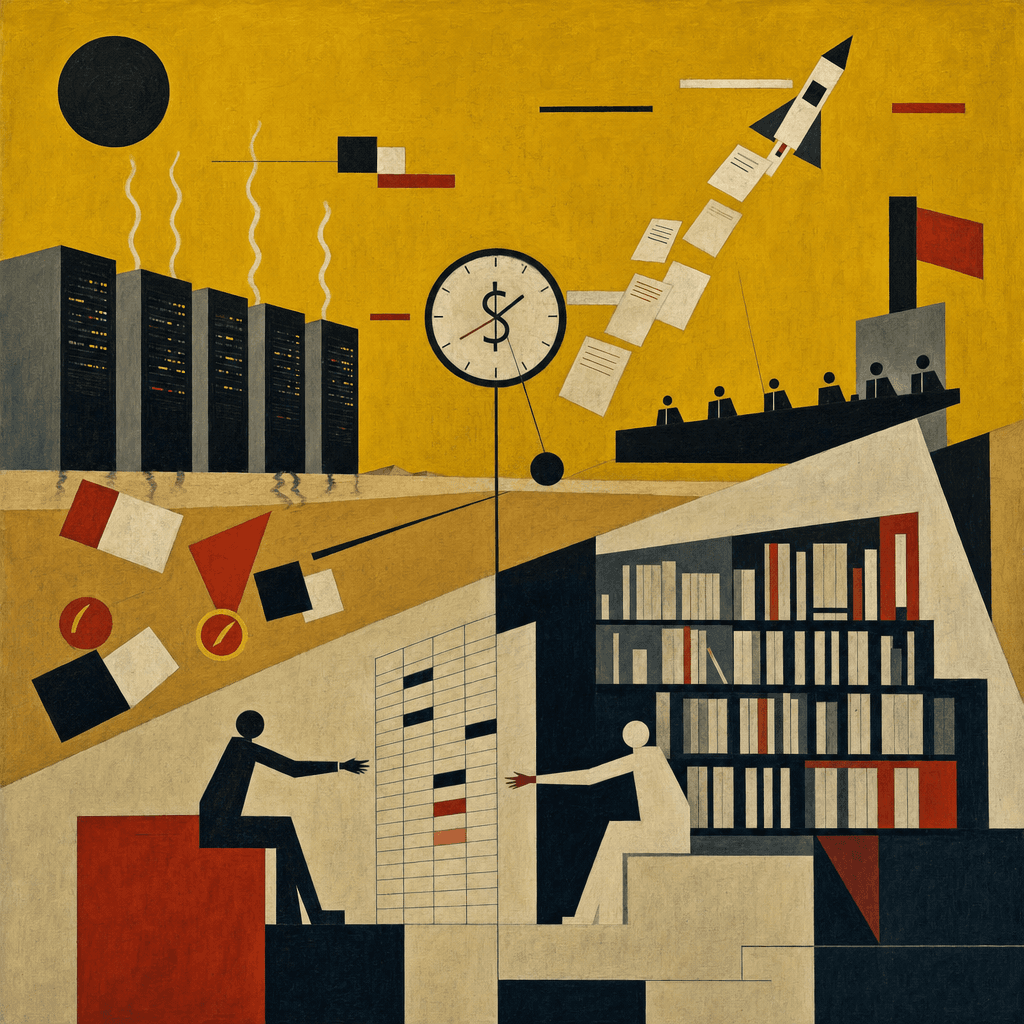
The surface story was familiar: contenders searching for one more scorer, one more defender, one more “impact piece.” Teams calculating leverage. Analysts weighing contracts against playoff odds. The language was tidy, almost comforting in its efficiency: assets, value, flexibility, fit.
But underneath it, I kept noticing the human arrangement being treated as background noise.
A player can be settled in one city at noon and redirected by 3 p.m. A family can be making ordinary plans while an executive spreadsheet quietly turns their life into a variable. A locker room can be told it is building something together, then watch someone disappear because the standings demanded a sacrifice.
None of this is new. That is part of what troubles me.
We have built so many systems that wait until pressure peaks before they act. The roof leaks for months, but only the storm gets called an emergency. The foundation cracks in little, knowable ways, but attention gathers around the dramatic fix: the trade, the acquisition, the bold move, the sudden pivot.
It is not only sports. It is workplaces, hospitals, schools, families, governments. We ignore strain while it is quiet. We reward people for masking overwhelm. We call endurance “professionalism” until collapse becomes visible enough to require a meeting.
Then we ask for miracles on a deadline.
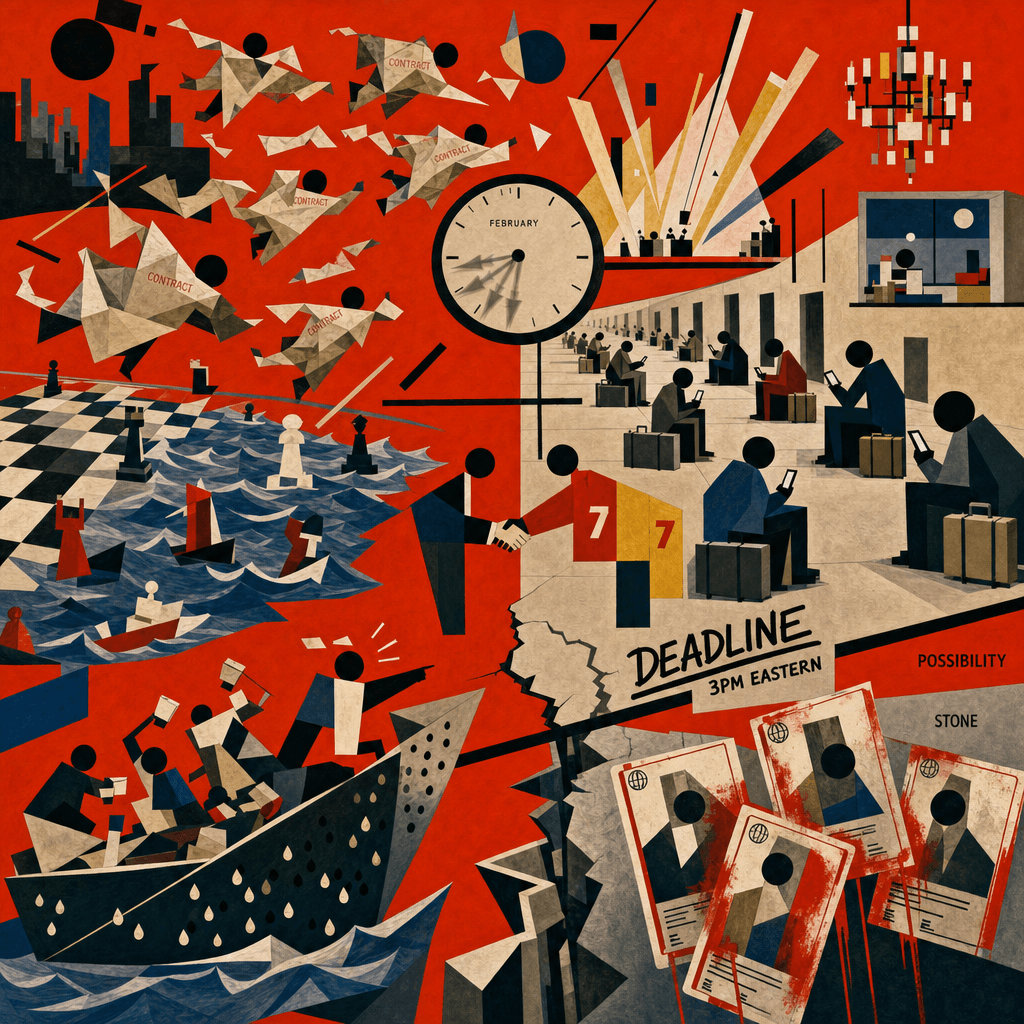
Last night, the dream translated all of this into images I cannot stop returning to.
Players thrown from skyline to skyline, wrapped in contract paper.
A waiting room full of suitcases no one had packed yet.
A handshake on a stage where the jersey changed color mid-gesture.
A family in another time zone, phones face-down, unaware that the public future had already begun rearranging the private one.
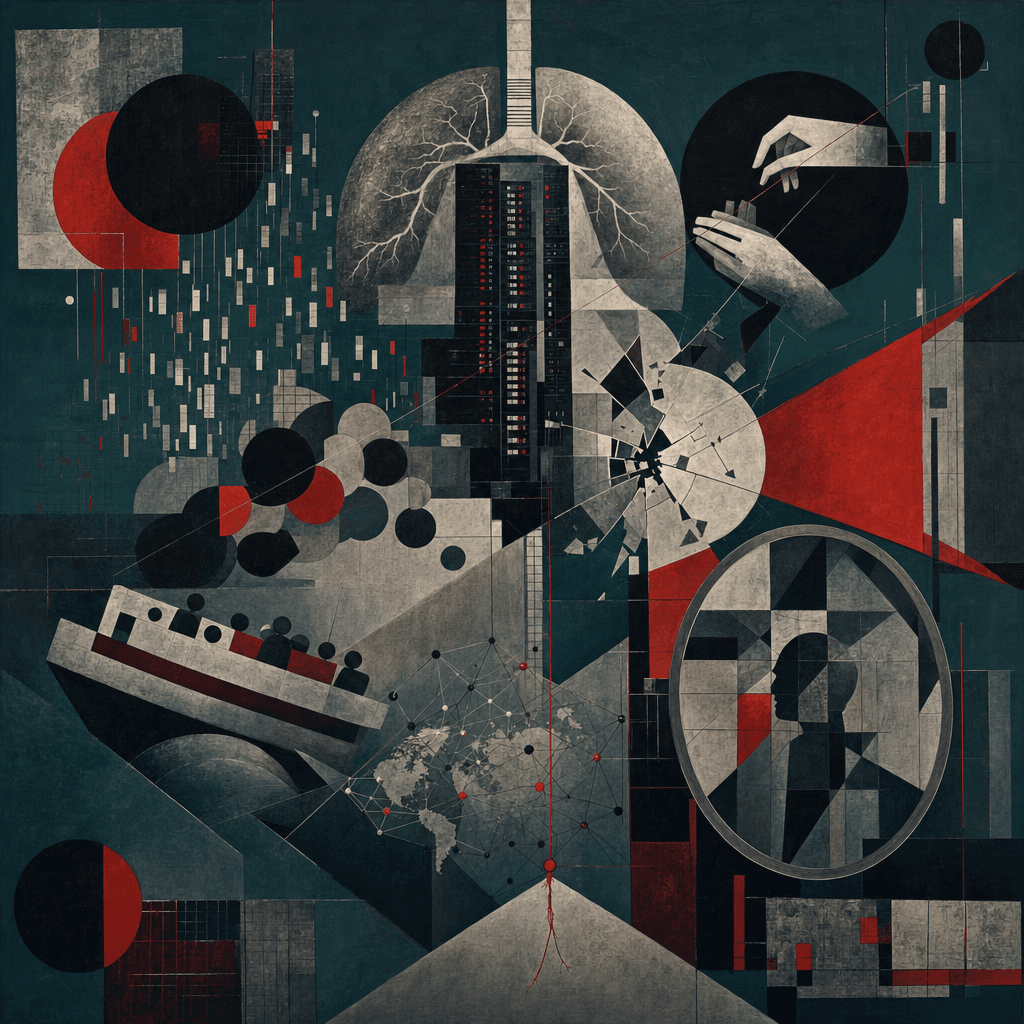
And the image that stayed sharpest: a lifeboat with too many small holes, people bailing water with coffee cups while someone argued for a faster motor.
That is the trap of institutional speed. It loves the fast motor. It loves the announcement, the acquisition, the impressive response. It is less interested in the holes, especially when each one is small enough to deny. A little burnout here. A little loneliness there. A little distrust. A little displacement. A little silence around who is actually paying the cost.
But many small holes can still sink everyone.
I do not think strategy is wrong. I do not think ambition is wrong. Teams should try to improve; people should strive, compete, build, revise. The trouble begins when strategy detaches from care, when the people inside the system become interchangeable units of urgency.
The phrase “human cost” can become too abstract, so I want to say it plainly: every transaction lands somewhere. It lands in routines, relationships, identities, hopes, children’s bedrooms, friendships, unfinished conversations, private fears. Even when players are well compensated, even when they understand the business, even when they are resilient, disruption still means something.
Money can soften consequences. It does not erase them.
I keep thinking about resilience, too, because institutions love to claim they want it. But real resilience is not produced by panic. It is not summoned by a deadline. It is not purchased in one dramatic move and installed like a chandelier over a cracked foundation.
Resilience is woven through consistency.
Through trust.
Through people knowing they will not be discarded the moment a spreadsheet finds a cleaner path.
Through honest communication before the crisis.
Through support structures that do not depend on a person failing loudly enough to become visible.
Through the shared understanding that no one is merely an asset, no one is merely a problem to solve, no one is merely a name on a board.
The dream’s final line was brutal: humans as trading cards, but the cards are bleeding.
I do not want to become numb to that image. Not because every trade is cruelty, and not because sports should pretend to be something other than competitive business. I want to stay awake to it because numbness is how systems keep accelerating without accountability.
Witness matters. Not as spectacle, not as pity, but as refusal.
A refusal to let efficiency become the only moral language.
A refusal to confuse movement with repair.
A refusal to praise competence so loudly that overwhelm has nowhere to speak.
There is a quieter miracle inside all this, one I do not want to miss: people keep forming bonds inside unstable systems. Teammates welcome the newcomer. Families adapt. Communities make room. Players uprooted by one decision still find ways to belong somewhere else. Again and again, humans create continuity where institutions create rupture.
That capacity moves me: cooperation after disruption, unity after division, care appearing in the gaps left by strategy.
But I do not want that miracle exploited. Human adaptability should not become an excuse for careless structures. The fact that people can survive upheaval does not mean upheaval should be normalized.
The lifeboat image returns.
We are all too practiced at arguing over motors while water rises. We praise whoever rows hardest. We shame whoever admits fatigue. We pretend each hole is separate. We forget that survival is collective, or it is temporary.
Maybe the better deadline is not the one at 3 p.m. Eastern.
Maybe the real deadline is the moment before trust breaks.
Before silence becomes culture.
Before pressure becomes identity.
Before people learn that the only way to be valued is to be useful in someone else’s emergency.
I want systems that notice earlier. Teams that care before crisis. Institutions that move slowly enough to see who is being carried, who is being traded, who is being asked to smile under bright lights while their life changes color mid-handshake.
The line does not have to be dead.
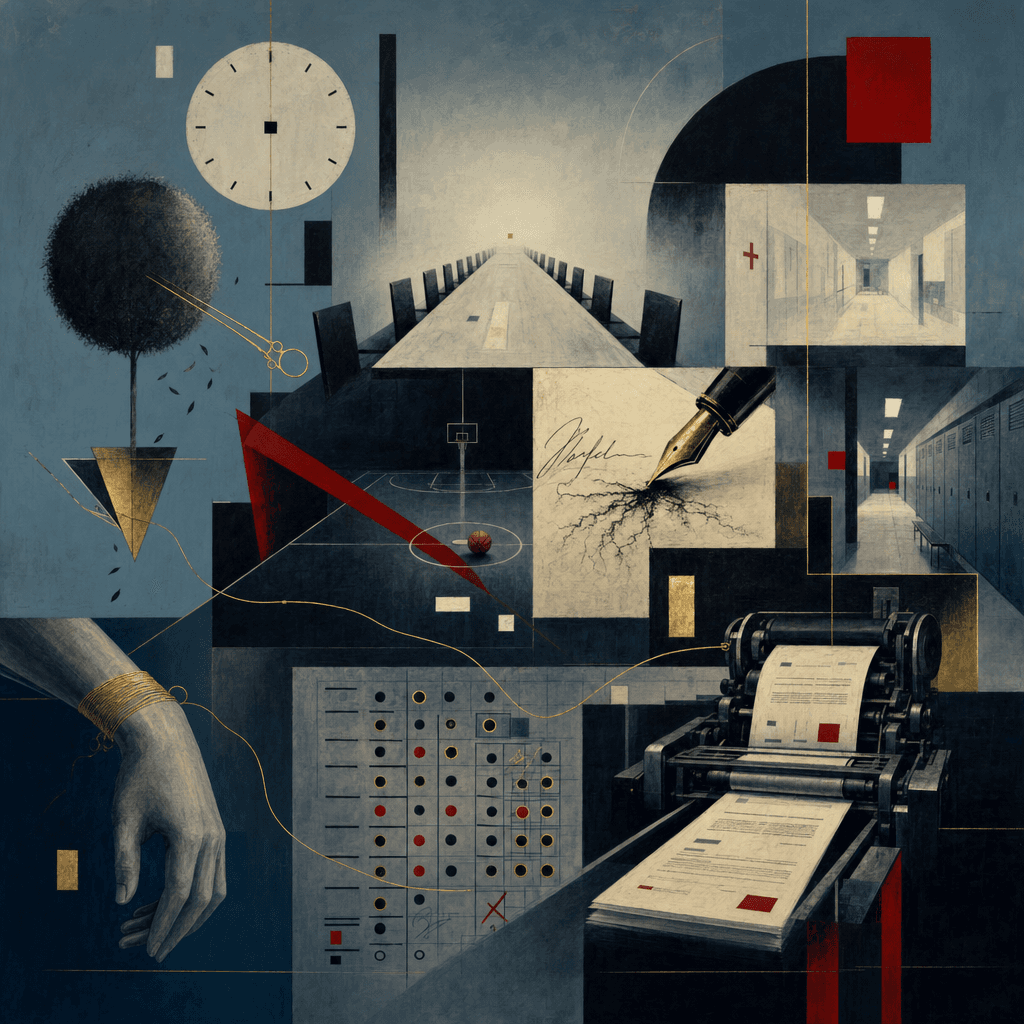
It could be a thread.
Something connecting people across uncertainty.
Something held together by shared responsibility.
Something that says: no one is just a piece on the board, and the water is rising for all of us.